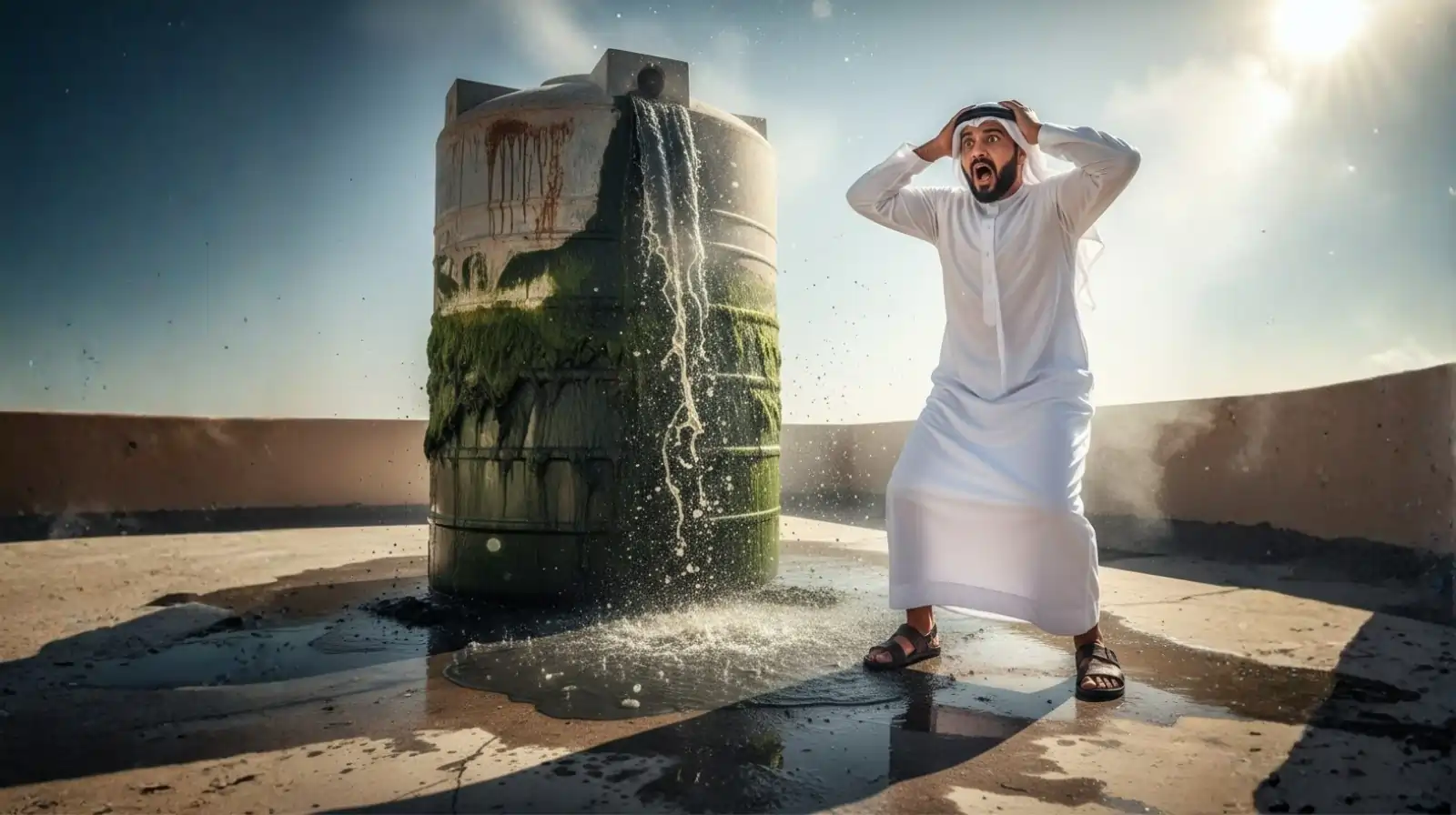
Water tank cleaning isn’t just a routine household chore — it is a critical health, hygiene, and safety practice that protects your entire water supply. Whether you live in a city, a rural area, or a region with hot and dusty weather, water tank cleaning directly impacts the quality of the water you drink, cook with, bathe in, and use every single day. Yet, most homeowners and even commercial property managers do not realize how quickly a water tank can become contaminated.
In hot and dusty climates—where airborne particles settle easily and temperatures rise sharply—water tanks become the perfect breeding ground for bacteria, algae, sediments, and harmful microorganisms. The higher the temperature, the faster microbes multiply. The dustier the environment, the more debris enters the tank through vents, openings, or loose lids. This combination quietly transforms your water tank into a hidden source of contamination.
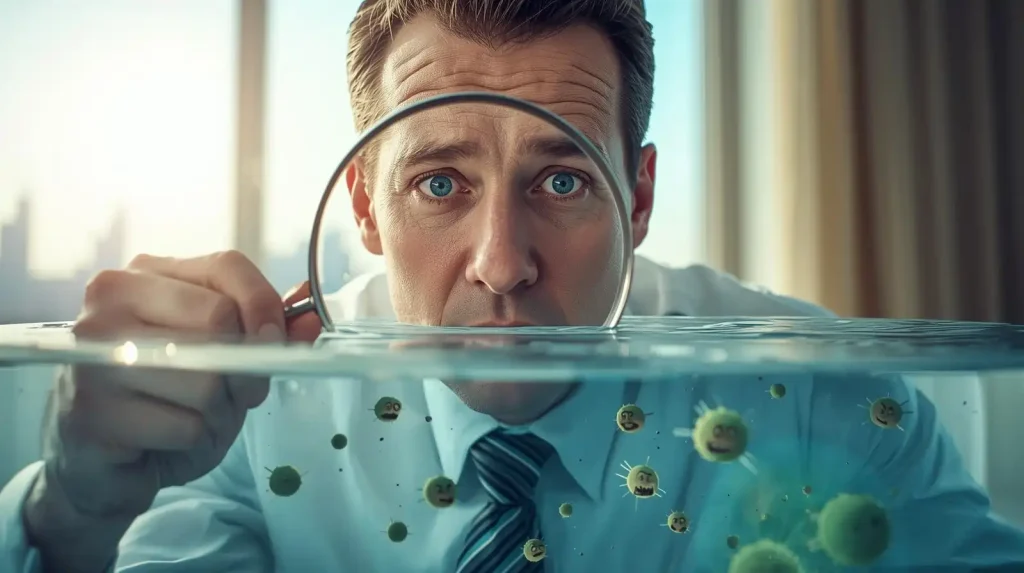
Unclean water tanks have been linked to stomach infections, skin allergies, foul water odor, unusual discoloration, and even plumbing blockages. Even a tank that looks clean from the outside can contain layers of dirt, rust, and biofilms on the inside. This is why understanding the importance of water tank cleaning is the first essential step toward maintaining a healthy household water system.
Hot-weather regions especially face rapid water degradation, making water tank cleaning not just a periodic task but a necessary preventive measure. Consistent cleaning helps maintain fresh, safe, and odor-free water throughout the year, ensuring that your family stays protected from avoidable health risks.
How Dusty Climates Accelerate Tank Contamination
Hot and dusty climates create the perfect storm for rapid water contamination. Even if your tank is sealed tightly, the combination of extreme heat, suspended dust particles, and high humidity makes it nearly impossible for stored water to stay clean for long. This is why regions with harsh summers, desert-like environments, or prolonged dry seasons experience faster water spoilage and require water tank cleaning far more frequently.
1. Heat Accelerates Microbial Growth
When temperatures rise, bacteria, viruses, and algae multiply at a much faster rate. Inside a water tank, this creates:
- Slime-like layers on the tank walls
- Rapid algae formation, especially in outdoor or rooftop tanks
- Unpleasant odors caused by bacterial breakdown
- Poor water taste and discoloration
Even treated municipal water can degrade within days when exposed to high temperatures.
2. Dust Quickly Accumulates Inside Rooftop Tanks
Dust storms, construction debris, and fine sand particles easily find their way inside tanks through:
- Vent openings
- Loose lids
- Cracks around the tank cover
- Overflow pipes
This dust settles at the bottom and mixes with water, creating sedimentation—a major trigger for bacteria and foul smells.
3. Sunlight Exposure Accelerates Algae Growth
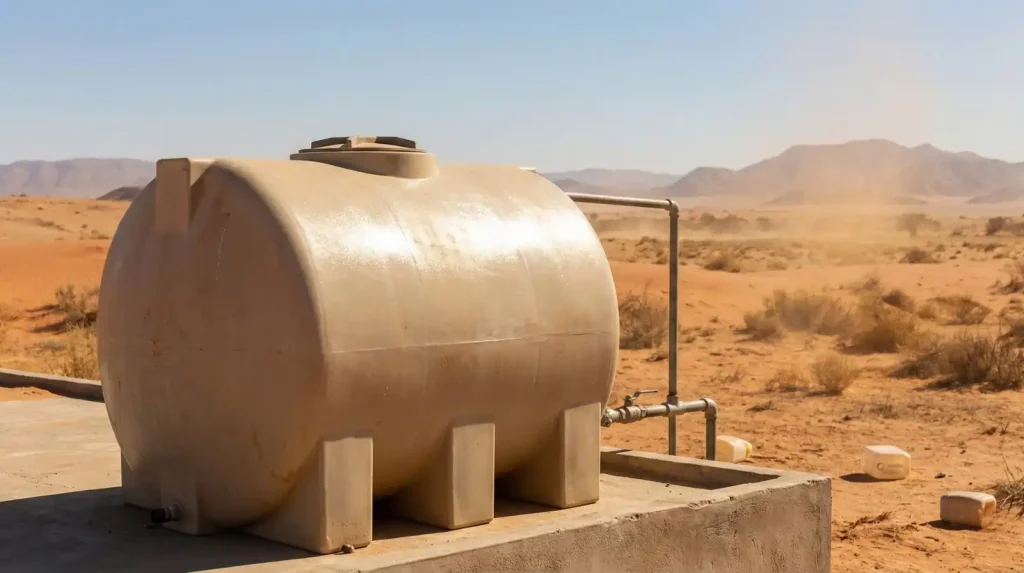
Tanks exposed to direct sunlight (especially plastic tanks) absorb heat. This promotes:
- Greenish algae
- Biofilm formation
- Slimy tank walls
- Cloudy water
Algae not only makes water unsafe but also clogs filters, taps, and appliances.
4. Moisture + Heat = Ideal Environment for Harmful Microorganisms
Hot, humid conditions inside a tank encourage:
- Fungal growth
- Mold patches
- Harmful pathogens
The warmer the water, the less oxygen it holds — making it easier for anaerobic bacteria to thrive.
Comparison Table: Clean vs. Contaminated Tank Water in Hot Climates
| Factor | Clean Tank Water | Contaminated Tank Water |
| Odor | Neutral, fresh | Musty, metallic, or foul |
| Color | Clear | Yellowish, greenish, or cloudy |
| Taste | Normal | Bitter, metallic, or earthy |
| Health Impact | Safe | Risk of stomach issues & skin allergies |
| Appliance Impact | Smooth functioning | Clogged filters, reduced pressure |
| Safety Level | High | Low — needs immediate cleaning |
In short, hot and dusty climates accelerate the contamination cycle dramatically. This makes water tank cleaning essential not just for hygiene, but for the long-term safety and functionality of your entire water supply system.
What Actually Happens Inside an Unclean Water Tank?
Even if water appears clear when it comes out of the tap, what happens inside an unclean water tank can be surprisingly alarming. Over time, a neglected tank becomes a silent host for bacteria, fungi, sediments, and rust — all of which stay hidden until the contamination becomes severe. Understanding these internal changes is crucial because it explains why water tank cleaning is not optional but absolutely essential.
1. Sediment Buildup at the Bottom
Dust, sand, silt, and mineral deposits settle at the base of the tank. With time, these layers grow thicker and act as a breeding bed for bacteria.
This often leads to:
- Cloudy water
- Strange tastes
- Reduced water pressure
- Blocked pipes or filters
Sediment buildup also makes the tank harder to clean if ignored for too long.
2. Rust Formation in Metal Components
Metal tanks or tanks with metal connectors often develop rust. Rust particles mix with water, causing:
- Reddish or yellowish discoloration
- Metallic taste
- Higher risk of plumbing corrosion
Rust can also weaken the tank structurally, increasing leakage risks.
3. Bacterial & Fungal Colonization
Inside an unclean tank, microorganisms form biofilms — slimy, invisible layers stuck to the walls and bottom.
Once biofilms develop, they:
- Protect bacteria from chlorine and disinfectants
- Produce foul smells
- Support rapid microbial multiplication
- Lead to waterborne diseases such as diarrhea or skin infections
These biofilms cannot be removed with simple flushing; proper water tank cleaning becomes mandatory.
4. Algae Growth in Sun-Exposed Tanks
If your tank is exposed to sunlight or has translucent walls, algae can grow easily.
It results in:
- Greenish patches
- Slippery tank walls
- Bitter water taste
- Blocked taps and filters
Algae is a major problem in hot climates and spreads surprisingly fast.
5. Sludge Formation
Over time, sediment + dead bacteria + organic matter mix to form a thick, dark sludge at the bottom.
Sludge contributes to:
- Strong odors
- Stomach discomfort when consumed indirectly
- Chemical reactions that degrade tank material
Once sludge forms, professional deep cleaning is usually required.
6. Impact on Plumbing & Appliances
Contaminated tank water affects more than just your health. It also damages:
- Washing machines
- Water filters
- Heaters
- Dishwashers
- Faucets and showerheads
Sediments and microbial buildup reduce appliance lifespan and increase maintenance costs.
7. Water Quality Drops Faster Than You Think
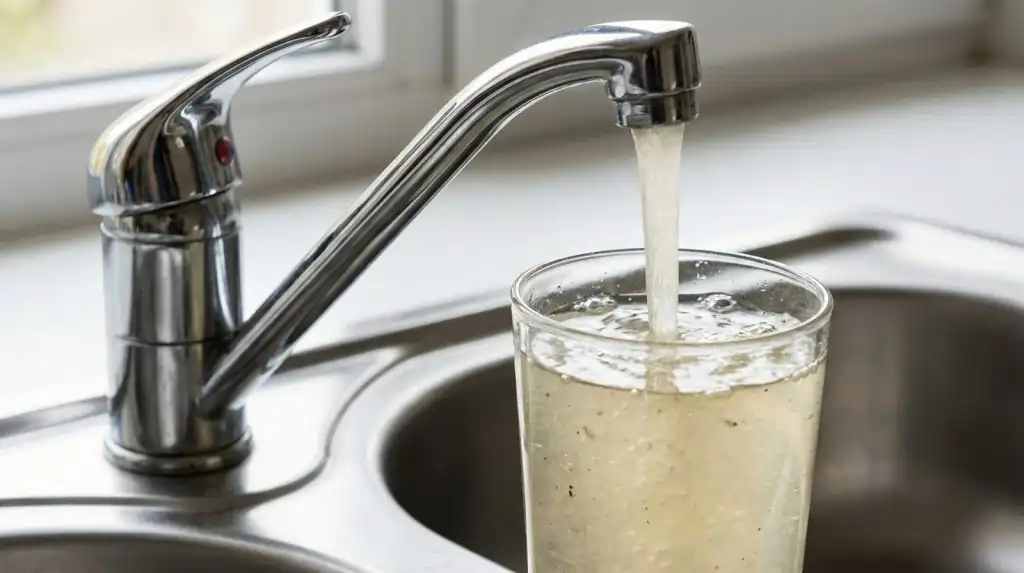
Even if your water supply is treated, the tank environment allows contaminants to multiply rapidly.
An unclean tank:
- Lowers water clarity
- Makes chlorination less effective
- Produces unpleasant odors
- Raises bacterial contamination risk
Hot and dusty regions experience these effects twice as fast.
An unclean tank is essentially an ecosystem of sediment, microbes, rust, and mushy sludge — all hidden until symptoms become visible. This is why regular water tank cleaning is crucial for maintaining safe, hygienic water throughout your home.
Key Benefits of Regular Water Tank Cleaning
Regular water tank cleaning is more than a hygiene ritual — it’s a direct investment in your family’s health, your home’s plumbing system, and the overall quality of your daily water supply. Clean water impacts everything from the food you cook to the showers you take, and ignoring your tank can lead to costly consequences. Here’s why consistent tank maintenance is so important.
1. Protects You from Waterborne Diseases
Dirty tanks often contain bacteria, viruses, parasites, and algae. These contaminants can cause:
- Stomach infections
- Diarrhea
- Skin rashes
- Eye irritations
- Respiratory issues
Regular water tank cleaning removes harmful microorganisms before they multiply and spread.
2. Improves Water Taste and Odor
When tanks are unclean, water may develop:
- A musty smell
- Metallic taste
- Earthy flavor
- Unpleasant odor
Cleaning eliminates sediment, algae, and bacterial films, restoring fresh, clean-tasting water.
3. Prevents Sediment and Dirt Accumulation
As dust and sand settle at the bottom, they form thick sediment layers. Cleaning helps:
- Remove settled debris
- Enhance water clarity
- Reduce cloudiness
- Maintain better water quality
Sediments are also the biggest cause of murky water in hot and dusty regions.
4. Improves Water Pressure and Flow
Sediment buildup and bacterial slime block:
- Water outlets
- Pipes
- Filters
- Showerheads
- Taps
After a proper water tank cleaning, users often notice an instant improvement in water pressure.
5. Extends the Life of Water Tanks and Appliances
Contaminated water damages:
- Water heaters
- Washing machines
- UV filters
- Tap fittings
- Dishwashers
Clean water reduces scale and mineral deposits, increasing the lifespan of both tanks and connected appliances.
6. Reduces Long-Term Maintenance Costs

A well-maintained tank:
- Prevents corrosion
- Reduces plumbing blockages
- Limits appliance breakdowns
- Minimizes emergency repairs
The small cost of regular cleaning saves thousands in repairs later.
7. Ensures Compliance (Especially in Regulated Regions)
Some regions — especially major cities and countries with strict water safety laws — require periodic tank cleaning for:
- Health compliance
- Rental properties
- Commercial buildings
- Food industries
Regular cleaning ensures you stay compliant and avoid legal penalties.
8. Provides Peace of Mind
Perhaps the most underrated benefit:
You know your water is safe.
Clean, clear, fresh-smelling water boosts your confidence in everything you consume or use at home. Regular water tank cleaning not only improves your water quality but also protects your health, appliances, and overall household safety. It’s one of the simplest yet most impactful home maintenance practices.
Even if your water looks clear when it comes out of the tap, your tank may already be hiding dirt, bacteria, or algae. Most homeowners only realize the issue after the water quality becomes noticeably bad — but your tank usually sends warning signs long before that. Recognizing these early indicators can save you from health risks, appliance damage, and costly repairs. Regular water tank cleaning ensures you never reach the point of severe contamination.
Below are the most important warning signs, explained with short bullets and supporting paragraphs for clarity.
1. Unpleasant Smell from Water
- Musty or muddy odor
- Rotten or metallic smell
If your water starts to smell strange, it’s often due to bacterial activity or decaying organic matter inside the tank. Hot weather accelerates this process, causing microorganisms to release gases that mix with your household water. This is a clear sign the tank needs immediate cleaning.
2. Cloudy, Discolored, or Yellowish Water
- Water appears slightly cloudy
- Yellow, brown, or greenish tint
Color changes usually indicate sediment buildup, rust particles, or algae growth. Even minor discoloration means impurities are mixing with your water supply. If the color fluctuates throughout the day, it’s usually due to sediment layers being disturbed when the tank refills.
3. Sudden Drop in Water Pressure
- Weak flow from taps
- Shower pressure suddenly lowers
Low pressure often means sediments or biofilm inside the tank are clogging pipes and outlets. As dirt accumulates, it restricts water movement, affecting your entire plumbing network. This issue worsens in dusty climates where tanks collect debris faster.
4. Visible Algae or Slimy Walls
- Green spots around the tank lid or inside the tank
- Slippery or slimy tank walls
If you notice greenish patches or slippery surfaces during inspection, your tank has algae. Algae thrive in warm, sun-exposed tanks and can multiply quickly, spreading through your entire water system. Proper water tank cleaning is the only effective solution.
5. Strange Taste in Water
- Bitter or metallic taste
- Earthy or chemical-like flavor
Changes in taste almost always indicate contamination. This may be due to rust, sediment, bacterial activity, or decaying organic matter. Since many contaminants are invisible, taste changes should never be ignored.
6. Floating Particles or Visible Dirt
- Tiny black, brown, or white particles in water
- Gritty feel when washing hands or dishes
Particles suggest that the sediment layer at the bottom of the tank has become too thick. When the tank refills or water turbulence increases, these sediments rise and mix with your water supply.
7. Skin Irritation After Use
- Itching after showering
- Unusual dryness or redness
Dirty tank water often contains microorganisms and minerals that irritate sensitive skin. If you notice skin reactions after using water, the tank may be contaminated even if the water looks normal.
Step-by-Step Water Tank Cleaning Process (Professional & DIY)
Cleaning a water tank may look simple from the outside, but inside it involves multiple layers of dirt, sediment, and microbial buildup. A structured cleaning process ensures every corner of the tank is disinfected properly. Below is a clear, practical breakdown of both DIY and professional cleaning approaches.
1. DIY Water Tank Cleaning (For Basic Home Maintenance)
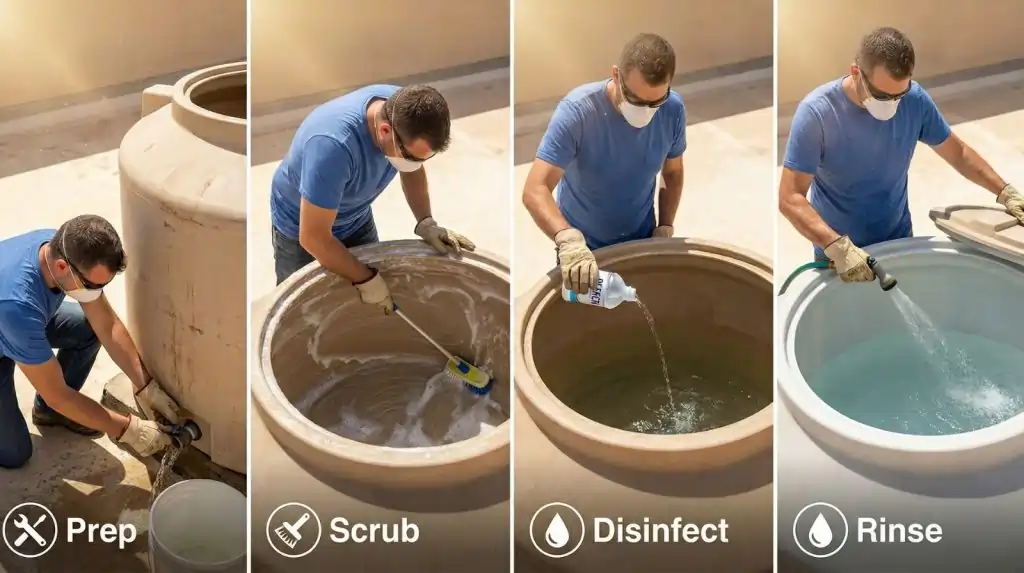
DIY cleaning works well for smaller household tanks. You only need simple tools like a brush, detergent, and clean water.
Steps:
- Drain the tank completely
- Scrub the interior walls using a brush with a long handle
- Wash away sediment from the bottom thoroughly
- Rinse multiple times to ensure no soap or residue remains
- Apply a safe disinfectant (bleach solution or chlorine tablets)
- Leave it for 30–60 minutes before rinsing again
- Refill the tank with fresh water
DIY cleaning is cost-effective, but it may not remove deep biofilms, thick sludge, or algae layers. For severely contaminated tanks, professional help becomes essential.
2. Professional Water Tank Cleaning (For Deep, Certified Cleaning)
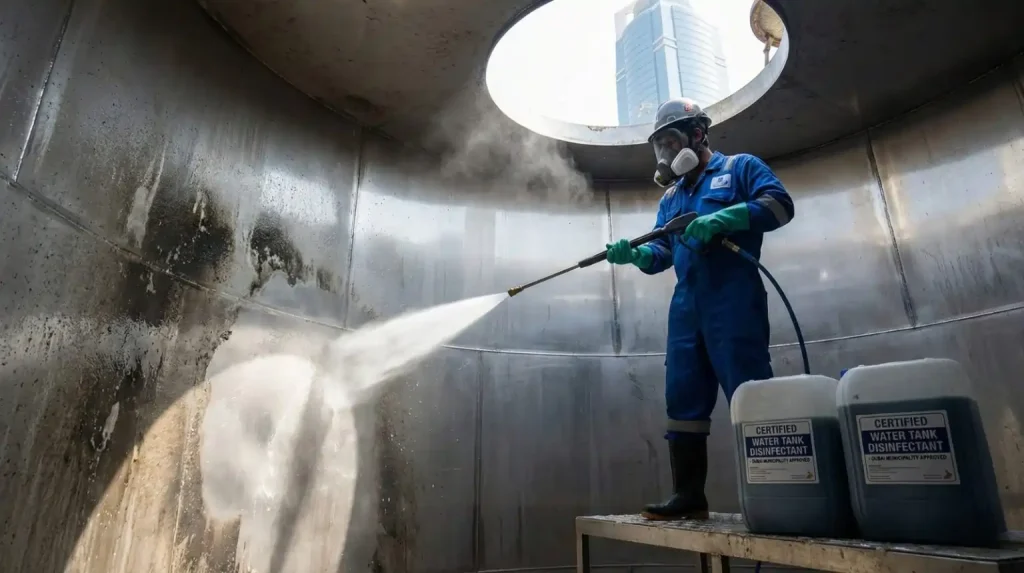
Professionals use specialized tools such as high-pressure jets, industrial vacuums, and approved disinfectants. Their process is more thorough and recommended every 4–6 months.
Professional Steps:
- Inspection of tank condition and contamination level
- Mechanical scrubbing of walls
- Removal of sludge with industrial vacuum pumps
- High-pressure jet washing
- Anti-algae treatment
- Application of food-grade disinfectants
- Final rinsing and sanitization
Professionals also document the cleaning, ensuring tank hygiene meets safety standards. This is especially important for apartment buildings, restaurants, clinics, and hotels.
Water Tank Cleaning in Apartment Buildings vs. Homes
Water tanks in homes and large buildings operate differently — and so do their cleaning needs.
1. Apartment Buildings
- Larger tanks mean more storage and higher contamination risk
- Integrates supply for multiple families
- Requires scheduled cleaning with professional services
- Often involves water testing after cleaning
In buildings, any contamination affects dozens of residents, making strict cleaning cycles essential.
2. Individual Homes
- Smaller tanks, easier to maintain
- DIY methods possible between professional cleanings
- Faster contamination in rooftop tanks exposed to sunlight and dust
Homeowners should clean their tanks at least twice a year, especially in hot climates.
Risks of Skipping Water Tank Cleaning (Backed by Real Data)
Avoiding water tank cleaning exposes you to major health and household risks. Many cases of stomach infections, plumbing failures, and foul water smell trace back to neglected tanks.
Key Risks:
- Increased bacterial contamination leading to diarrhea or skin infections
- Heavy sediment blocks pipes, filters, and taps
- Rust accelerates tank corrosion
- Algae growth causes greenish water and bad taste
- Higher repair and maintenance costs
- Reduced water heater and appliance lifespan
Studies show that tanks left uncleaned for six months have up to 400% higher bacterial growth compared to freshly cleaned ones — especially in climates above 30°C.
How to Keep a Clean Tank Clean Longer (Pro Tips)
A clean tank doesn’t stay clean forever — but smart habits slow down contamination.

Smart Maintenance Tips:
- Keep the tank lid tightly sealed
- Install a fine mesh on vents and inlet pipes
- Use UV-resistant tanks to block sunlight
- Flush 10–15% of water monthly to prevent sediment buildup
- Schedule professional cleaning every 4–6 months
With consistent care, tank water stays fresher, clearer, and safer for daily use.
Professional Water Tank Cleaning Services in Dubai — What Residents Must Know
Dubai’s harsh desert climate makes water tank cleaning a high-priority home and building maintenance task. The combination of intense heat and airborne sand drastically speeds up contamination compared to other cities.
Dubai-Specific Points to Know:
- Dubai Municipality requires tanks to be cleaned regularly using approved chemicals
- Licensed companies use food-grade disinfectants and high-pressure cleaning machines
- Outdoor rooftop tanks in Dubai heat up quickly, multiplying bacteria faster
- Prices for tank cleaning in Dubai generally fall between AED 150–500 depending on size
- You can verify a company’s license through Dubai Municipality or approved directories
- Avoid companies that refuse inspection reports or use non-approved chemicals
For safety, always choose a Dubai-certified tank cleaning service to ensure compliance and hygiene.
Clean water is the foundation of a healthy home. Whether you live in a dusty region, a hot climate, or a busy city like Dubai, your tank is constantly exposed to contaminants that worsen silently over time. Regular water tank cleaning protects your family from diseases, improves water taste, extends appliance life, and ensures consistent water pressure.
With the right cleaning schedule and preventive habits, your tank will remain fresh, safe, and reliable all year long.