water tank guide

Why Water Tank Cleaning Matters in Dubai ? guide 2026

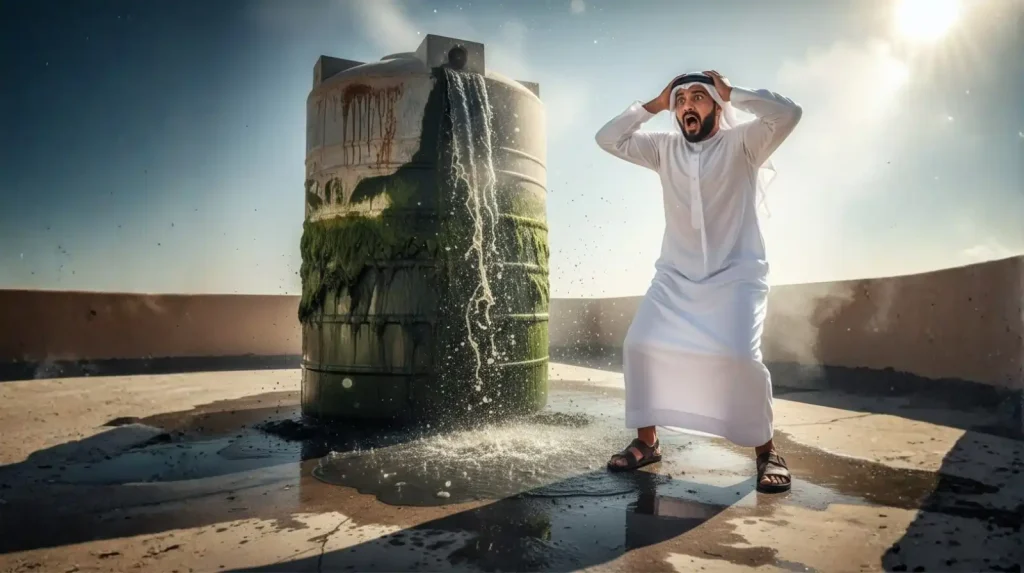
Water tank cleaning isn’t just a routine household chore — it is a critical health, hygiene, and safety practice that protects your entire water supply. Whether you live in a city, a rural area, or a region with hot and dusty weather, water tank cleaning directly impacts the quality of the water you drink, cook with, bathe in, and use every single day. Yet, most homeowners and even commercial property managers do not realize how quickly a water tank can become contaminated. In hot and dusty climates—where airborne particles settle easily and temperatures rise sharply—water tanks become the perfect breeding ground for bacteria, algae, sediments, and harmful microorganisms. The higher the temperature, the faster microbes multiply. The dustier the environment, the more debris enters the tank through vents, openings, or loose lids. This combination quietly transforms your water tank into a hidden source of contamination. Unclean water tanks have been linked to stomach infections, skin allergies, foul water odor, unusual discoloration, and even plumbing blockages. Even a tank that looks clean from the outside can contain layers of dirt, rust, and biofilms on the inside. This is why understanding the importance of water tank cleaning is the first essential step toward maintaining a healthy household water system. Hot-weather regions especially face rapid water degradation, making water tank cleaning not just a periodic task but a necessary preventive measure. Consistent cleaning helps maintain fresh, safe, and odor-free water throughout the year, ensuring that your family stays protected from avoidable health risks. How Dusty Climates Accelerate Tank Contamination Hot and dusty climates create the perfect storm for rapid water contamination. Even if your tank is sealed tightly, the combination of extreme heat, suspended dust particles, and high humidity makes it nearly impossible for stored water to stay clean for long. This is why regions with harsh summers, desert-like environments, or prolonged dry seasons experience faster water spoilage and require water tank cleaning far more frequently. 1. Heat Accelerates Microbial Growth When temperatures rise, bacteria, viruses, and algae multiply at a much faster rate. Inside a water tank, this creates: Even treated municipal water can degrade within days when exposed to high temperatures. 2. Dust Quickly Accumulates Inside Rooftop Tanks Dust storms, construction debris, and fine sand particles easily find their way inside tanks through: This dust settles at the bottom and mixes with water, creating sedimentation—a major trigger for bacteria and foul smells. 3. Sunlight Exposure Accelerates Algae Growth Tanks exposed to direct sunlight (especially plastic tanks) absorb heat. This promotes: Algae not only makes water unsafe but also clogs filters, taps, and appliances. 4. Moisture + Heat = Ideal Environment for Harmful Microorganisms Hot, humid conditions inside a tank encourage: The warmer the water, the less oxygen it holds — making it easier for anaerobic bacteria to thrive. Comparison Table: Clean vs. Contaminated Tank Water in Hot Climates Factor Clean Tank Water Contaminated Tank Water Odor Neutral, fresh Musty, metallic, or foul Color Clear Yellowish, greenish, or cloudy Taste Normal Bitter, metallic, or earthy Health Impact Safe Risk of stomach issues & skin allergies Appliance Impact Smooth functioning Clogged filters, reduced pressure Safety Level High Low — needs immediate cleaning In short, hot and dusty climates accelerate the contamination cycle dramatically. This makes water tank cleaning essential not just for hygiene, but for the long-term safety and functionality of your entire water supply system. What Actually Happens Inside an Unclean Water Tank? Even if water appears clear when it comes out of the tap, what happens inside an unclean water tank can be surprisingly alarming. Over time, a neglected tank becomes a silent host for bacteria, fungi, sediments, and rust — all of which stay hidden until the contamination becomes severe. Understanding these internal changes is crucial because it explains why water tank cleaning is not optional but absolutely essential. 1. Sediment Buildup at the Bottom Dust, sand, silt, and mineral deposits settle at the base of the tank. With time, these layers grow thicker and act as a breeding bed for bacteria.This often leads to: Sediment buildup also makes the tank harder to clean if ignored for too long. 2. Rust Formation in Metal Components Metal tanks or tanks with metal connectors often develop rust. Rust particles mix with water, causing: Rust can also weaken the tank structurally, increasing leakage risks. 3. Bacterial & Fungal Colonization Inside an unclean tank, microorganisms form biofilms — slimy, invisible layers stuck to the walls and bottom.Once biofilms develop, they: These biofilms cannot be removed with simple flushing; proper water tank cleaning becomes mandatory. 4. Algae Growth in Sun-Exposed Tanks If your tank is exposed to sunlight or has translucent walls, algae can grow easily.It results in: Algae is a major problem in hot climates and spreads surprisingly fast. 5. Sludge Formation Over time, sediment + dead bacteria + organic matter mix to form a thick, dark sludge at the bottom.Sludge contributes to: Once sludge forms, professional deep cleaning is usually required. 6. Impact on Plumbing & Appliances Contaminated tank water affects more than just your health. It also damages: Sediments and microbial buildup reduce appliance lifespan and increase maintenance costs. 7. Water Quality Drops Faster Than You Think Even if your water supply is treated, the tank environment allows contaminants to multiply rapidly.An unclean tank: Hot and dusty regions experience these effects twice as fast. An unclean tank is essentially an ecosystem of sediment, microbes, rust, and mushy sludge — all hidden until symptoms become visible. This is why regular water tank cleaning is crucial for maintaining safe, hygienic water throughout your home. Key Benefits of Regular Water Tank Cleaning Regular water tank cleaning is more than a hygiene ritual — it’s a direct investment in your family’s health, your home’s plumbing system, and the overall quality of your daily water supply. Clean water impacts everything from the food you cook to the showers you take, and ignoring your tank can lead to costly consequences. Here’s why consistent tank maintenance is so


seasonal home image

Seasonal Home Maintenance: fast & relibale guide 2026

Seasonal Home Maintenance isn’t just about keeping your property looking fresh — it’s a year-round strategy that prevents expensive repairs, boosts safety, and protects your home from weather-related wear and tear. With every season bringing a new set of challenges, having a seasonal maintenance schedule ensures that your home stays efficient, secure, and comfortable. Home experts often say: “A home that is maintained seasonally is a home that ages gracefully.” And it’s true. Whether it’s clearing gutters before spring rains, tuning your AC before summer heatwaves, sealing cracks before fall winds, or preparing pipes for winter — seasonal home maintenance saves homeowners thousands in preventable damages. Why a Seasonal Home Maintenance Schedule Matters A structured schedule helps you: Plus, a season-based checklist keeps everything organized so you don’t feel overwhelmed. Each season becomes manageable, predictable, and stress-free. What Each Season Focuses On Season Key Focus Areas Spring Repairs after winter, roof/gutter inspection, deep cleaning Summer Cooling systems, outdoor maintenance, plumbing checks Fall Heating prep, insulation, sealing drafts, landscape cleanup This article will walk you through each season step-by-step, ensuring that your home stays healthy all year long. Pro Tip to Keep You Engaged The easiest way to follow your Seasonal Home Maintenance plan is to do one small task per week instead of cramming everything into one weekend. Spring Seasonal Home Maintenance Checklist Spring is the season of renewal, making it the perfect time to refresh, repair, and revitalize your home after months of winter strain. Your Seasonal Home Maintenance routine should always begin with spring because it sets the foundation for energy efficiency, indoor comfort, and structural protection for the rest of the year. Exterior Spring Maintenance Tasks Spring weather is ideal for inspecting and repairing exterior systems that winter may have damaged. These tasks ensure your home stays leak-free, pest-resistant, and curb-appeal ready. Roof & Gutter Inspection Your roof is the first line of defense. Winter storms can loosen shingles, clog gutters, and damage flashing. What to do: Why it matters:This is a core part of Seasonal Home Maintenance because 40% of spring leaks originate from roof & gutter issues. Siding, Walls & Foundation Check Small cracks turn into big repair bills if not addressed early. Check for: Quick Tip:Use a long-handle brush and mild detergent to give siding a fresh look—boosts curb appeal instantly. Spring Landscaping & Outdoor Systems A healthy exterior environment protects your home structure and improves seasonal energy use. Lawn & Garden Preparations Sprinkler & Outdoor Plumbing Check Interior Spring Maintenance Tasks Deep Cleaning & Air Quality Refresh Spring is the best season for “reset cleaning.” Focus on: HVAC System Tune-Up (Air Conditioning Prep) Before temperatures rise, ensure your cooling system is ready. Checklist: Bonus Insight:A well-maintained HVAC system can reduce energy costs by 15–30% in summer. Spring Safety & Energy Efficiency Tasks Fire Safety & Electrical Check Energy Efficiency Boosts These tasks support long-term Seasonal Home Maintenance and reduce cooling loss as temperatures increase. Summer Seasonal Home Maintenance Checklist Summer is the season when your home works the hardest. Temperatures rise, cooling systems run continuously, and outdoor areas experience the most activity. This makes summer a crucial phase in your Seasonal Home Maintenance plan, focusing on cooling efficiency, outdoor durability, and preventative safety checks. A well-maintained home during summer stays comfortable, reduces electricity costs, and prevents unexpected breakdowns during the hottest months. Managing Indoor Cooling and Ventilation As summer heat builds, your home’s cooling system becomes central to day-to-day comfort. Start by paying attention to how your air conditioner sounds and performs. If it takes longer than usual to cool a room or produces uneven temperatures, it may need servicing. Clean air filters promote better airflow and reduce strain on the system, improving energy efficiency. Ventilation is equally important. Kitchens and bathrooms accumulate moisture that can lead to mold in humid summer weather. Ensuring exhaust fans are functioning properly will help maintain air quality and prevent unnecessary humidity buildup. A well-prepared cooling system is one of the most important pillars of Seasonal Home Maintenance during summer, as it directly affects energy consumption and indoor comfort. Exterior Care and Heat Protection Summer sun exposes exterior surfaces to intense heat. Walk around your home and observe the condition of paint, siding, and exterior caulking. Any cracks, peeling areas, or gaps can allow heat to penetrate the home, making cooling systems work harder. Decks, fences, and outdoor structures also need attention. Heat and UV rays break down wood fibers over time, so checking for discoloration, splintering, or loose boards is essential. Resealing or repainting these surfaces helps prevent long-term deterioration. Roofs can become stressed during high temperatures as well. If you notice areas where shingles look warped or uneven, it may be an early sign of heat-related wear that should be addressed before the next seasonal shift. Plumbing and Water-Use Monitoring Summer heat increases water usage, especially for lawns, gardens, and outdoor cleaning. This is a good time to monitor your water pressure and examine visible plumbing lines for drips or moisture marks. Even small leaks can escalate rapidly during the warmer months. Outdoor faucets and hoses are often used daily during summer, which makes them more prone to wear. If you notice a faucet that continues dripping after being turned off, replacing its washer or tightening its components can prevent wasted water. Keeping an eye on plumbing during summer is an important practice in Seasonal Home Maintenance, ensuring both efficiency and cost control. Home Safety and Electrical Stability Homes experience increased electrical demand in summer due to fans, air conditioners, and cooling appliances. It is helpful to feel the surface of outlets, power strips, and commonly used switches. Any outlet that feels warm or shows slight discoloration should be checked immediately by a professional. Summer storms, even if occasional, can disrupt electrical systems. Checking your home’s surge protection and ensuring your main panel is easily accessible helps reduce risks during sudden power fluctuations. This season is also ideal for testing garage door sensors, replacing

with with light in duct

Why AC Duct Cleaning Should Be on Your Radar | Guide 2026

If you live in a home with a central air conditioning system, then AC duct cleaning is something you simply cannot afford to ignore. Over time, your ductwork quietly collects dust, pet dander, mold spores, and other hidden contaminants that circulate back into the air you breathe. This means the quality of your indoor environment depends heavily on how clean your ducts are. Yet for many homeowners, duct maintenance stays out of sight—and out of mind—until major problems appear. In reality, keeping your ducts clean is one of the easiest ways to improve air quality, extend your AC’s lifespan, and even reduce monthly electricity costs. Whether you’ve wondered “Do AC ducts really need to be cleaned?” or you’re curious about the actual benefits, this guide will help you understand exactly why AC duct cleaning deserves a permanent spot on your home maintenance checklist. Throughout this article, you’ll discover when to clean your ducts, signs of trouble, professional methods, cost breakdowns, and how to choose the best AC duct cleaning company—especially if you live in regions like Dubai, where AC usage is extremely high. By the end, you’ll know exactly why this simple process is essential for a healthier, more energy-efficient home. Understanding AC Duct Cleaning What Is AC Duct Cleaning? AC duct cleaning refers to the thorough removal of dust, debris, mold, and other contaminants from the ductwork of your air conditioning system. These ducts carry conditioned air throughout your home, and when they become dirty, the same pollutants circulate back into your living spaces. Professional ac duct cleaning services use specialized equipment—such as high-powered vacuums, brushes, and HEPA filtration systems—to clean the supply ducts, return ducts, vents, diffusers, and main trunk line. Simply put, it’s a process designed to improve air quality, enhance AC performance, and create a healthier indoor environment. Do AC Ducts Really Need to Be Cleaned? Yes—especially in homes located in warm climates, homes with pets, or households where individuals have allergies or asthma. Studies show that dirty ducts can collect pounds of dust each year. This buildup leads to: If ignored, dirty ducts can also reduce cooling efficiency by up to 20–30%, forcing the AC system to work harder. How Often Should You Clean Your Air Conditioning Ducts? Most experts recommend cleaning ducts every 2 to 3 years, but this timeline can vary. Consider more frequent cleaning if: A well-maintained duct system not only improves air quality but also reduces long-term ac duct cleaning cost by preventing severe contamination. Why AC Duct Cleaning Matters for Every Home Health Benefits of Clean AC Ducts Your home’s air quality is directly linked to the cleanliness of your ductwork. When dust, pollen, pet hair, bacteria, and mold spores accumulate inside the ducts, they repeatedly circulate through your rooms. This can trigger: Regular ac duct cleaning helps eliminate these harmful contaminants, making your indoor air cleaner, healthier, and safer for children, elderly individuals, and anyone with respiratory issues. Clean ducts mean clean lungs. Energy Efficiency and Lower Utility Bills One of the biggest hidden benefits of clean ducts is electricity savings. When ducts get blocked with dust, your AC system must work extra hard to push air through. This increases energy consumption and reduces cooling efficiency. A professionally cleaned duct system can improve airflow by up to 25%, helping your AC run more efficiently. Over time, this can significantly lower your monthly bills—especially in high-usage areas. Preventing Mold, Dust, and Contaminants Moisture inside ducts creates the perfect breeding ground for mold. Once mold begins to spread, it releases spores into the air, causing odors, breathing issues, and even structural damage to the duct lining. Clean ducts help prevent: This is why homeowners who live in humid climates or use their AC for long hours should prioritize ac duct cleaning services regularly. The 2-Foot Rule for Ducts: What Homeowners Should Know The 2-foot rule for ducts helps ensure proper airflow and balanced ventilation inside your home. According to this guideline, the area two feet before and after each vent (including supply and return vents) should remain clear of dust, blockages, and obstructions. This ensures: Technicians follow this rule during professional cleaning to guarantee that both the ducts and their surrounding areas remain clean and unrestricted. Signs Your AC Ducts Need Immediate Cleaning You don’t always need to be an expert to recognize when something is wrong with your ducts. Your home gives you early warning signs—if you know what to look for. Ignoring these signs can lead to higher ac duct cleaning cost, poor cooling performance, and health issues. Here are the most common red flags: Musty Odors and Poor Airflow A persistent musty, damp, or “old house” smell coming from your vents usually means mold or mildew is growing inside the ductwork. This happens when moisture sits inside the ducts for long periods. Along with odor, you may notice: These signs strongly indicate the need for ac duct cleaning before the contamination spreads further. Visible Dust Around Vents If dust keeps forming around the vents even after cleaning, it’s often a sign that dirt and debris are being pushed out from inside the ducts. This happens when: This is one of the easiest signs to spot and should not be ignored. Allergies, Sneezing, and Respiratory Problems Do you or your family members experience worsened allergies indoors? Dirty ducts may be blowing: These irritants are especially harmful for children, elderly individuals, and asthma patients. Regular ac duct cleaning services help reduce these triggers significantly. Increased Cooling Costs A sudden rise in your electricity bill—even when your usage is the same—can be linked to clogged ducts. When airflow is blocked, the AC must run longer and harder to achieve the set temperature. This increases consumption and reduces the system’s lifespan. Signs include: Cleaning the ducts restores airflow and helps reduce utility bills. AC Duct Cleaning Services Explained Hiring professional ac duct cleaning services is the most effective way to remove dust, allergens, mold, and debris from deep inside your duct

featue image of drain

Drain Cleaning 101: Simple Ways to Stop Clogs – Fast 2026

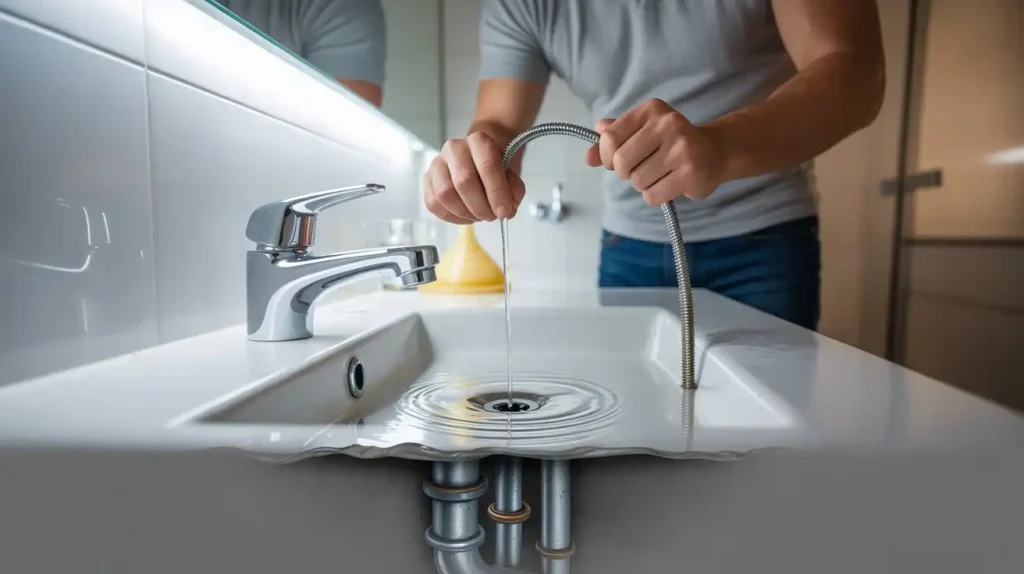
Keeping your drains healthy isn’t just about convenience—it’s about protecting your home from costly repairs. This complete guide will walk you through everything you need to know about drain cleaning, from simple DIY techniques to smart long-term habits that prevent clogs altogether. Whether you’re dealing with slow drainage, gurgling noises, or a full blockage, this guide gives you reliable, safe, and damage-free solutions. Most homeowners don’t realize that the right drain cleaning services, tools, and methods can make the difference between a quick fix and a plumbing disaster. Even better, many issues can be solved at home without harsh chemicals or expensive repairs. With options ranging from natural remedies to mechanical tools, you’ll learn exactly when to use a drain cleaning tool, when to switch to a drain cleaning wire, and when to upgrade to a drain cleaning machine for tougher clogs. In this guide, you’ll find step-by-step methods, easy-to-follow procedures, professional insights, and prevention strategies you can start today. Everything has been organized for clarity and optimized for search engines—so you get a user-friendly experience that’s also SEO strong. Get ready for a practical, friendly, and comprehensive journey into keeping your plumbing in top shape—without damaging your pipes, wasting money, or relying on guesswork. Why Drains Get Clogged and How You Can Prevent It Clogged drains are one of the most common plumbing problems in homes. Understanding why drains get blocked is the first step toward keeping them flowing freely. Whether in the kitchen, bathroom, or laundry area, your daily habits can either protect your plumbing or lead to costly repairs. Common Causes of Drain Blockages Drains can get clogged for a variety of reasons, including: How Habits in the Kitchen & Bathroom Contribute Your everyday routines directly affect your drains: Preventive Strategies for Long-Term Drain Health Preventing clogs is always better than fixing them. Some effective preventive measures include: Routine Care vs. Emergency Fixes Preventive maintenance is always better than emergency intervention. Regular care saves money, reduces stress, and prevents damage to your plumbing system. Emergency fixes are often costlier, may require harsh chemicals, and can even damage your pipes if done repeatedly. Why Prevention is Better for Long-Term Plumbing Health Taking small steps consistently keeps your drains functioning properly for years. By combining preventive cleaning, mindful habits, and occasional professional assistance, you maintain optimal flow, reduce repair costs, and extend the lifespan of your plumbing system. The Most Effective Methods to Clean Drains at Home Cleaning your drains at home doesn’t have to be complicated or costly. With the right approach, you can maintain free-flowing drains without damaging your pipes. Here are some of the most reliable methods that work for everyday household clogs. Basic Cleaning Techniques That Work Every Time Keeping drains clear often starts with simple, effective techniques you can do yourself: Natural Home Remedies for Cleaning Drains For chemical-free and eco-friendly solutions, try these proven home remedies: Chemical-Free Drain Cleaning Options If you want to avoid harsh chemicals, consider these advanced, non-toxic methods: Step-by-Step Guide to Unclogging Stubborn Drains Sometimes drains develop clogs that simple home methods can’t handle. Stubborn blockages may require tools, mechanical methods, or professional-grade approaches. This step-by-step guide helps you tackle tough drains safely without damaging your plumbing. Mechanical Tools That Solve Tough Clogs Using the right tools can make unclogging much easier: Professional-Grade Approaches You Can Try at Home Even home users can safely use professional principles with care: Choosing the Right Products and Tools for Drain Cleaning Selecting the right products and tools is essential to maintain healthy drains and prevent damage. Understanding the differences between chemical, natural, and enzymatic cleaners, along with the appropriate tools, ensures safe and effective drain cleaning at home. Differences Between Chemical, Enzymatic & Natural Cleaners Recommended Tools for Home-Care When Professional-Grade Tools Are Worth It When Home Remedies Don’t Work: Signs You Need a Professional While many clogs can be cleared with home remedies or basic tools, sometimes the problem is more serious. Recognizing when to call a professional plumber prevents damage and saves money in the long run. Signs of a Serious Drain Problem How to Prevent Future Clogs With Simple Daily Habits Prevention is always better than fixing a clogged drain. Small, consistent daily habits can keep your drains flowing freely, reduce the need for harsh chemicals, and prolong the life of your plumbing system. Long-Term Drain Care Checklist Maintenance Schedule: Weekly, Monthly & Seasonal Tips Following these strategies, you can enjoy hassle-free drains, protect your plumbing, and extend the life of your pipes. Drain cleaning doesn’t have to be a chore—it can be simple, safe, and even satisfying when done correctly.