
Seasonal Home Maintenance isn’t just about keeping your property looking fresh — it’s a year-round strategy that prevents expensive repairs, boosts safety, and protects your home from weather-related wear and tear. With every season bringing a new set of challenges, having a seasonal maintenance schedule ensures that your home stays efficient, secure, and comfortable.
Home experts often say:
“A home that is maintained seasonally is a home that ages gracefully.”
And it’s true. Whether it’s clearing gutters before spring rains, tuning your AC before summer heatwaves, sealing cracks before fall winds, or preparing pipes for winter — seasonal home maintenance saves homeowners thousands in preventable damages.
Why a Seasonal Home Maintenance Schedule Matters

A structured schedule helps you:
- Reduce repair costs by catching problems early
- Improve energy efficiency (lower bills!)
- Extend the lifespan of major appliances
- Maintain safety — from electrical hazards to air quality
- Increase property value and long-term durability
Plus, a season-based checklist keeps everything organized so you don’t feel overwhelmed. Each season becomes manageable, predictable, and stress-free.
What Each Season Focuses On
| Season | Key Focus Areas |
| Spring | Repairs after winter, roof/gutter inspection, deep cleaning |
| Summer | Cooling systems, outdoor maintenance, plumbing checks |
| Fall | Heating prep, insulation, sealing drafts, landscape cleanup |
This article will walk you through each season step-by-step, ensuring that your home stays healthy all year long.
Pro Tip to Keep You Engaged
The easiest way to follow your Seasonal Home Maintenance plan is to do one small task per week instead of cramming everything into one weekend.
Spring Seasonal Home Maintenance Checklist
Spring is the season of renewal, making it the perfect time to refresh, repair, and revitalize your home after months of winter strain. Your Seasonal Home Maintenance routine should always begin with spring because it sets the foundation for energy efficiency, indoor comfort, and structural protection for the rest of the year.

Exterior Spring Maintenance Tasks
Spring weather is ideal for inspecting and repairing exterior systems that winter may have damaged. These tasks ensure your home stays leak-free, pest-resistant, and curb-appeal ready.
Roof & Gutter Inspection
Your roof is the first line of defense. Winter storms can loosen shingles, clog gutters, and damage flashing.
What to do:
- Inspect shingles for cracks, curling, or missing pieces
- Clear gutters & downspouts
- Check attic for water spots or mold growth
- Ensure downspouts drain 4–6 feet away from foundation
Why it matters:
This is a core part of Seasonal Home Maintenance because 40% of spring leaks originate from roof & gutter issues.
Siding, Walls & Foundation Check
Small cracks turn into big repair bills if not addressed early.
Check for:
- Holes or cracks allowing pests in
- Water stains indicating drainage issues
- Signs of mildew or algae
- Loose siding panels
Quick Tip:
Use a long-handle brush and mild detergent to give siding a fresh look—boosts curb appeal instantly.
Spring Landscaping & Outdoor Systems
A healthy exterior environment protects your home structure and improves seasonal energy use.
Lawn & Garden Preparations
- Trim overgrown shrubs (reduces pest pathways)
- Aerate the lawn for better growth
- Fertilize and reseed bald patches
- Remove dead plants and winter debris
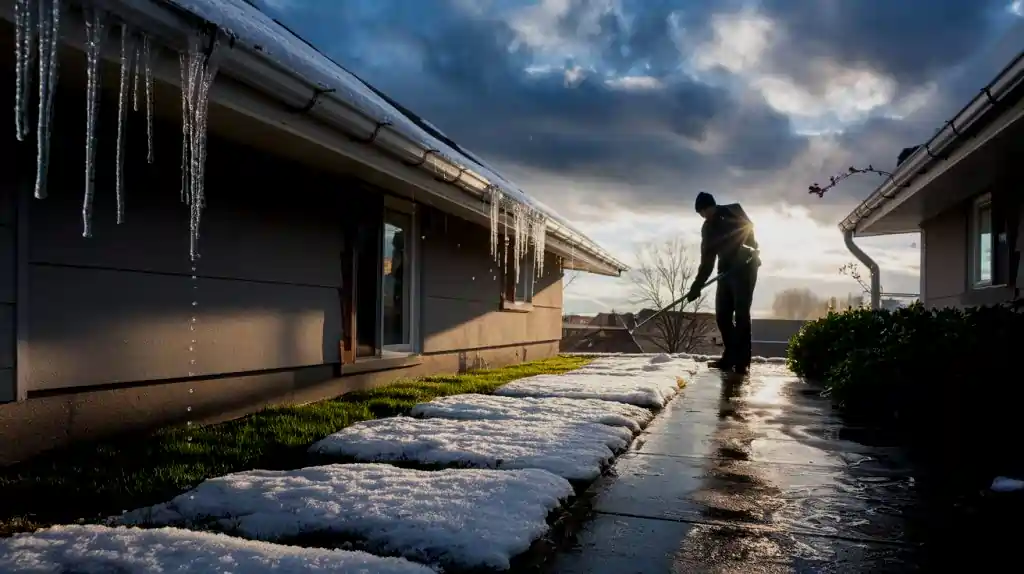
Sprinkler & Outdoor Plumbing Check
- Test all sprinkler heads for proper rotation
- Look for leaks around faucets (common after freeze-thaw cycles)
- Ensure water pressure is normal
Interior Spring Maintenance Tasks
Deep Cleaning & Air Quality Refresh
Spring is the best season for “reset cleaning.”
Focus on:
- Cleaning behind appliances
- Washing vents and registers
- Dusting ceiling fans
- Shampooing carpets
- Washing curtains
HVAC System Tune-Up (Air Conditioning Prep)
Before temperatures rise, ensure your cooling system is ready.
Checklist:
- Replace or wash filters
- Clean around outdoor AC unit
- Test cooling cycle
- Schedule professional tune-up if needed
Bonus Insight:
A well-maintained HVAC system can reduce energy costs by 15–30% in summer.
Spring Safety & Energy Efficiency Tasks
Fire Safety & Electrical Check
- Test smoke detectors and replace batteries
- Check fire extinguishers’ expiration dates
- Inspect electrical outlets for warmth or discoloration
Energy Efficiency Boosts
- Seal small window/door gaps
- Install or replace weather-stripping
- Inspect insulation for dampness
These tasks support long-term Seasonal Home Maintenance and reduce cooling loss as temperatures increase.
Summer Seasonal Home Maintenance Checklist
Summer is the season when your home works the hardest. Temperatures rise, cooling systems run continuously, and outdoor areas experience the most activity. This makes summer a crucial phase in your Seasonal Home Maintenance plan, focusing on cooling efficiency, outdoor durability, and preventative safety checks. A well-maintained home during summer stays comfortable, reduces electricity costs, and prevents unexpected breakdowns during the hottest months.

Managing Indoor Cooling and Ventilation
As summer heat builds, your home’s cooling system becomes central to day-to-day comfort. Start by paying attention to how your air conditioner sounds and performs. If it takes longer than usual to cool a room or produces uneven temperatures, it may need servicing. Clean air filters promote better airflow and reduce strain on the system, improving energy efficiency.
Ventilation is equally important. Kitchens and bathrooms accumulate moisture that can lead to mold in humid summer weather. Ensuring exhaust fans are functioning properly will help maintain air quality and prevent unnecessary humidity buildup.
A well-prepared cooling system is one of the most important pillars of Seasonal Home Maintenance during summer, as it directly affects energy consumption and indoor comfort.
Exterior Care and Heat Protection
Summer sun exposes exterior surfaces to intense heat. Walk around your home and observe the condition of paint, siding, and exterior caulking. Any cracks, peeling areas, or gaps can allow heat to penetrate the home, making cooling systems work harder.
Decks, fences, and outdoor structures also need attention. Heat and UV rays break down wood fibers over time, so checking for discoloration, splintering, or loose boards is essential. Resealing or repainting these surfaces helps prevent long-term deterioration.
Roofs can become stressed during high temperatures as well. If you notice areas where shingles look warped or uneven, it may be an early sign of heat-related wear that should be addressed before the next seasonal shift.
Plumbing and Water-Use Monitoring
Summer heat increases water usage, especially for lawns, gardens, and outdoor cleaning. This is a good time to monitor your water pressure and examine visible plumbing lines for drips or moisture marks. Even small leaks can escalate rapidly during the warmer months.
Outdoor faucets and hoses are often used daily during summer, which makes them more prone to wear. If you notice a faucet that continues dripping after being turned off, replacing its washer or tightening its components can prevent wasted water.
Keeping an eye on plumbing during summer is an important practice in Seasonal Home Maintenance, ensuring both efficiency and cost control.
Home Safety and Electrical Stability
Homes experience increased electrical demand in summer due to fans, air conditioners, and cooling appliances. It is helpful to feel the surface of outlets, power strips, and commonly used switches. Any outlet that feels warm or shows slight discoloration should be checked immediately by a professional.
Summer storms, even if occasional, can disrupt electrical systems. Checking your home’s surge protection and ensuring your main panel is easily accessible helps reduce risks during sudden power fluctuations.
This season is also ideal for testing garage door sensors, replacing worn-out weatherstripping, and inspecting window locks. Increased summer activity often means more traffic in and out of the house, so security measures should be verified.
Outdoor Living Areas and Yard Upkeep
Summer is when outdoor spaces become extensions of the home. Patio furniture, grills, walkways, and garden areas should be evaluated for safety and cleanliness. Loose pavers or cracked concrete can become hazards; addressing them early prevents injuries.
Trees and large shrubs can grow rapidly during summer and may interfere with roofs, windows, or power lines. Trimming them back ensures safety and prevents structural strain.
Maintaining outdoor areas is more than aesthetics—it is a core component of Seasonal Home Maintenance, supporting both functionality and long-term property value.
Summer Wrap-Up
Summer maintenance focuses primarily on keeping your home cool, safe, and structurally protected against heat. Attending to these tasks ensures better performance from your cooling systems, safer electrical usage, healthier outdoor spaces, and fewer mid-season emergencies. By staying proactive during summer, homeowners maintain comfort while minimizing energy costs and preventing large-scale repairs later in the year.
Fall Seasonal Home Maintenance Checklist

Fall is the transitional season that prepares your home for colder months ahead. This phase of your Seasonal Home Maintenance plan is all about strengthening insulation, checking heating systems, and securing the structure against incoming winter conditions. Addressing small vulnerabilities now prevents major complications during winter, when repairs become more difficult and costly.
Preparing the Heating System
As temperatures begin to drop, your heating system becomes essential. Fall is the ideal time to test it before the first cold spell arrives. When you turn it on for the season, pay attention to any unusual smells, sounds, or delayed heating response. Replacing or cleaning filters improves airflow and keeps the system from overworking.
If your home uses a furnace, boiler, or heat pump, consider a professional inspection. Technicians can identify worn-out parts, blocked vents, or inefficiencies that may not be immediately noticeable. Ensuring your heating system operates at its best is a critical part of your Seasonal Home Maintenance routine.
Strengthening Insulation and Sealing Air Leaks
A home that loses heat through gaps or poor insulation is far less energy-efficient. Fall is the perfect time to inspect attics, basements, and crawl spaces for areas where insulation looks flattened, damp, or uneven. Upgrading or topping up insulation in these areas helps maintain indoor warmth and reduces heating costs in winter.
Door and window frames often shift slightly during summer heat, creating tiny openings. Running your hand along edges can help detect drafts. Applying caulk or replacing worn weatherstripping can significantly improve indoor comfort and prevent heat loss.
Exterior Protection and Structural Checks
Fall weather can bring heavy winds, rain, and dropping temperatures. Inspecting the exterior of your home now helps prevent bigger issues during winter. Look closely at siding, roofing, and exterior paint. If shingles appear loose or if paint shows signs of peeling, addressing the problem before winter prevents further deterioration.
Gutters are especially important in fall. Leaves and debris accumulate quickly, leading to blockages that cause water to back up and damage the roof or foundation. Clearing gutters and ensuring downspouts direct water properly protects your home during seasonal rainfall.
Yard Cleanup and Outdoor Preparation
Fall yard work supports both the appearance and functionality of your home. Clearing leaves prevents moisture buildup that can attract pests or damage lawn surfaces. It is also a good time to prune trees and shrubs, especially branches that sit too close to the roof or windows. Snow and ice can weigh down branches, increasing the risk of them breaking and causing damage.
Outdoor faucets, sprinklers, and hoses should be drained before temperatures freeze. This prevents internal cracking and preserves your plumbing system for the next warm season.
Safety and Indoor Readiness
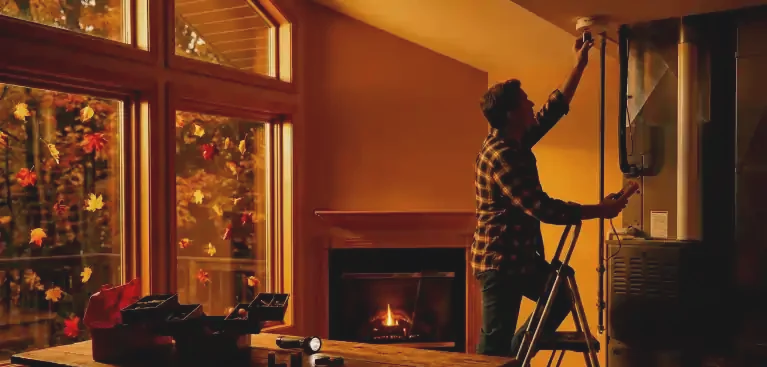
As the days become shorter and nights grow colder, indoor safety checks become even more important. Test all smoke and carbon monoxide detectors. Heating appliances, fireplaces, and space heaters require proper ventilation; any sign of soot, odd smells, or difficulty starting should be inspected.
Fall is also a good time to examine indoor caulking around bathrooms and kitchens. Humidity fluctuations across seasons can weaken seals, and refreshing them helps maintain cleanliness and prevent leaks.
Integrating these actions into your Seasonal Home Maintenance plan ensures your home remains safe, warm, and prepared for the colder months.
Fall Wrap-Up
Fall home maintenance is all about preparation. By strengthening your heating system, improving insulation, safeguarding the exterior, and completing strategic yard work, you create a protective shield that reduces winter-related stress. Taking these steps now not only improves comfort but also helps avoid emergency repairs during the coldest season of the year.