
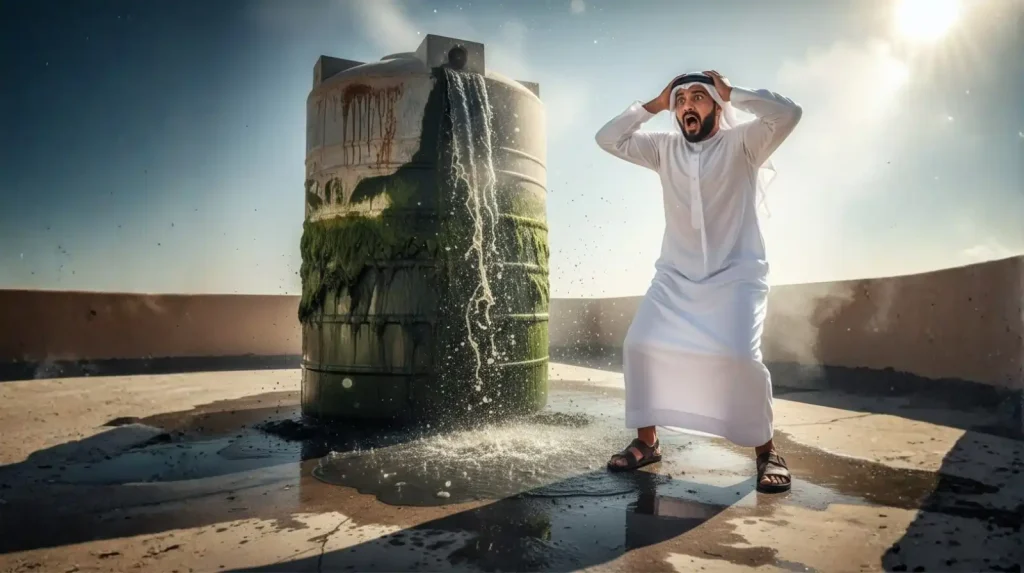
Why Water Tank Cleaning Matters in Dubai ? guide 2026
Water tank cleaning isn’t just a routine household chore — it is a critical health, hygiene, and safety practice that protects your entire water supply. Whether you live in a city, a rural area, or a region with hot and dusty weather, water tank cleaning directly impacts the quality of the water you drink, cook with, bathe in, and use every single day. Yet, most homeowners and even commercial property managers do not realize how quickly a water tank can become contaminated. In hot and dusty climates—where airborne particles settle easily and temperatures rise sharply—water tanks become the perfect breeding ground for bacteria, algae, sediments, and harmful microorganisms. The higher the temperature, the faster microbes multiply. The dustier the environment, the more debris enters the tank through vents, openings, or loose lids. This combination quietly transforms your water tank into a hidden source of contamination. Unclean water tanks have been linked to stomach infections, skin allergies, foul water odor, unusual discoloration, and even plumbing blockages. Even a tank that looks clean from the outside can contain layers of dirt, rust, and biofilms on the inside. This is why understanding the importance of water tank cleaning is the first essential step toward maintaining a healthy household water system. Hot-weather regions especially face rapid water degradation, making water tank cleaning not just a periodic task but a necessary preventive measure. Consistent cleaning helps maintain fresh, safe, and odor-free water throughout the year, ensuring that your family stays protected from avoidable health risks. How Dusty Climates Accelerate Tank Contamination Hot and dusty climates create the perfect storm for rapid water contamination. Even if your tank is sealed tightly, the combination of extreme heat, suspended dust particles, and high humidity makes it nearly impossible for stored water to stay clean for long. This is why regions with harsh summers, desert-like environments, or prolonged dry seasons experience faster water spoilage and require water tank cleaning far more frequently. 1. Heat Accelerates Microbial Growth When temperatures rise, bacteria, viruses, and algae multiply at a much faster rate. Inside a water tank, this creates: Even treated municipal water can degrade within days when exposed to high temperatures. 2. Dust Quickly Accumulates Inside Rooftop Tanks Dust storms, construction debris, and fine sand particles easily find their way inside tanks through: This dust settles at the bottom and mixes with water, creating sedimentation—a major trigger for bacteria and foul smells. 3. Sunlight Exposure Accelerates Algae Growth Tanks exposed to direct sunlight (especially plastic tanks) absorb heat. This promotes: Algae not only makes water unsafe but also clogs filters, taps, and appliances. 4. Moisture + Heat = Ideal Environment for Harmful Microorganisms Hot, humid conditions inside a tank encourage: The warmer the water, the less oxygen it holds — making it easier for anaerobic bacteria to thrive. Comparison Table: Clean vs. Contaminated Tank Water in Hot Climates Factor Clean Tank Water Contaminated Tank Water Odor Neutral, fresh Musty, metallic, or foul Color Clear Yellowish, greenish, or cloudy Taste Normal Bitter, metallic, or earthy Health Impact Safe Risk of stomach issues & skin allergies Appliance Impact Smooth functioning Clogged filters, reduced pressure Safety Level High Low — needs immediate cleaning In short, hot and dusty climates accelerate the contamination cycle dramatically. This makes water tank cleaning essential not just for hygiene, but for the long-term safety and functionality of your entire water supply system. What Actually Happens Inside an Unclean Water Tank? Even if water appears clear when it comes out of the tap, what happens inside an unclean water tank can be surprisingly alarming. Over time, a neglected tank becomes a silent host for bacteria, fungi, sediments, and rust — all of which stay hidden until the contamination becomes severe. Understanding these internal changes is crucial because it explains why water tank cleaning is not optional but absolutely essential. 1. Sediment Buildup at the Bottom Dust, sand, silt, and mineral deposits settle at the base of the tank. With time, these layers grow thicker and act as a breeding bed for bacteria.This often leads to: Sediment buildup also makes the tank harder to clean if ignored for too long. 2. Rust Formation in Metal Components Metal tanks or tanks with metal connectors often develop rust. Rust particles mix with water, causing: Rust can also weaken the tank structurally, increasing leakage risks. 3. Bacterial & Fungal Colonization Inside an unclean tank, microorganisms form biofilms — slimy, invisible layers stuck to the walls and bottom.Once biofilms develop, they: These biofilms cannot be removed with simple flushing; proper water tank cleaning becomes mandatory. 4. Algae Growth in Sun-Exposed Tanks If your tank is exposed to sunlight or has translucent walls, algae can grow easily.It results in: Algae is a major problem in hot climates and spreads surprisingly fast. 5. Sludge Formation Over time, sediment + dead bacteria + organic matter mix to form a thick, dark sludge at the bottom.Sludge contributes to: Once sludge forms, professional deep cleaning is usually required. 6. Impact on Plumbing & Appliances Contaminated tank water affects more than just your health. It also damages: Sediments and microbial buildup reduce appliance lifespan and increase maintenance costs. 7. Water Quality Drops Faster Than You Think Even if your water supply is treated, the tank environment allows contaminants to multiply rapidly.An unclean tank: Hot and dusty regions experience these effects twice as fast. An unclean tank is essentially an ecosystem of sediment, microbes, rust, and mushy sludge — all hidden until symptoms become visible. This is why regular water tank cleaning is crucial for maintaining safe, hygienic water throughout your home. Key Benefits of Regular Water Tank Cleaning Regular water tank cleaning is more than a hygiene ritual — it’s a direct investment in your family’s health, your home’s plumbing system, and the overall quality of your daily water supply. Clean water impacts everything from the food you cook to the showers you take, and ignoring your tank can lead to costly consequences. Here’s why consistent tank maintenance is so