Keeping your drains healthy isn’t just about convenience—it’s about protecting your home from costly repairs. This complete guide will walk you through everything you need to know about drain cleaning, from simple DIY techniques to smart long-term habits that prevent clogs altogether. Whether you’re dealing with slow drainage, gurgling noises, or a full blockage, this guide gives you reliable, safe, and damage-free solutions.
Most homeowners don’t realize that the right drain cleaning services, tools, and methods can make the difference between a quick fix and a plumbing disaster. Even better, many issues can be solved at home without harsh chemicals or expensive repairs. With options ranging from natural remedies to mechanical tools, you’ll learn exactly when to use a drain cleaning tool, when to switch to a drain cleaning wire, and when to upgrade to a drain cleaning machine for tougher clogs.
In this guide, you’ll find step-by-step methods, easy-to-follow procedures, professional insights, and prevention strategies you can start today. Everything has been organized for clarity and optimized for search engines—so you get a user-friendly experience that’s also SEO strong.
Get ready for a practical, friendly, and comprehensive journey into keeping your plumbing in top shape—without damaging your pipes, wasting money, or relying on guesswork.
Why Drains Get Clogged and How You Can Prevent It
Clogged drains are one of the most common plumbing problems in homes. Understanding why drains get blocked is the first step toward keeping them flowing freely. Whether in the kitchen, bathroom, or laundry area, your daily habits can either protect your plumbing or lead to costly repairs.
Common Causes of Drain Blockages
Drains can get clogged for a variety of reasons, including:
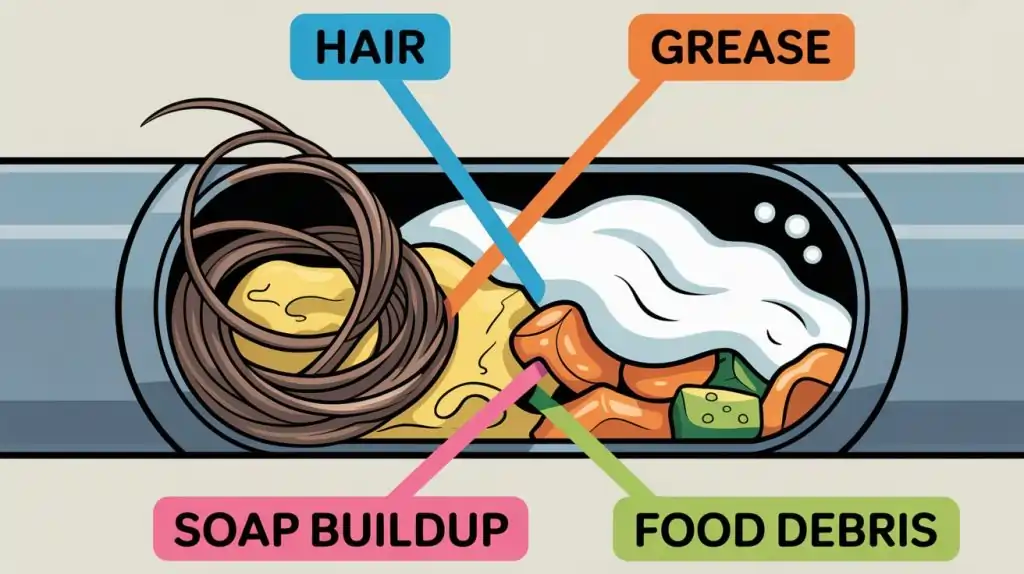
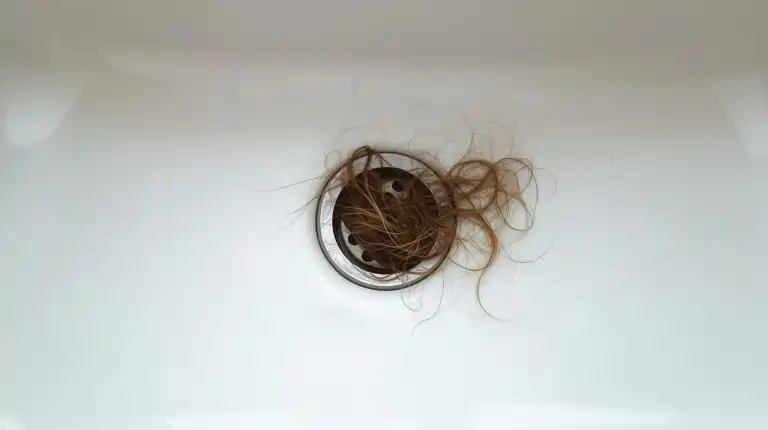
- Hair accumulation – Especially in bathroom sinks, showers, and bathtubs.
- Grease and fat buildup – Pouring cooking oil or leftover food down the sink can harden and block pipes.
- Soap scum and toothpaste – Over time, residues combine with other debris to reduce flow.
- Foreign objects – Small toys, cotton balls, or other items accidentally flushed or washed down.
- Mineral deposits – Hard water can create limescale inside pipes, narrowing them and slowing drainage.
How Habits in the Kitchen & Bathroom Contribute
Your everyday routines directly affect your drains:
- Kitchen habits – Pouring grease down the sink, rinsing plates with leftover food, or using non-degradable wipes can quickly form clogs.
- Bathroom habits – Letting hair fall into the shower drain, flushing cotton swabs, or washing excessive amounts of soap can lead to slow drains.
Preventive Strategies for Long-Term Drain Health
Preventing clogs is always better than fixing them. Some effective preventive measures include:
- Routine cleaning – Use a simple drain cleaning tool or natural remedies regularly to keep pipes clear.
- Strainers and screens – Place in sinks and showers to catch hair, food particles, and debris.
- Proper disposal habits – Never pour grease, coffee grounds, or large food scraps into drains.
- Hot water flushes – Running boiling water down kitchen drains once a week helps dissolve grease buildup.
- Occasional professional checkups – Scheduling drain cleaning services annually ensures deeper blockages are addressed before they escalate.
Routine Care vs. Emergency Fixes
Preventive maintenance is always better than emergency intervention. Regular care saves money, reduces stress, and prevents damage to your plumbing system. Emergency fixes are often costlier, may require harsh chemicals, and can even damage your pipes if done repeatedly.
Why Prevention is Better for Long-Term Plumbing Health
Taking small steps consistently keeps your drains functioning properly for years. By combining preventive cleaning, mindful habits, and occasional professional assistance, you maintain optimal flow, reduce repair costs, and extend the lifespan of your plumbing system.
The Most Effective Methods to Clean Drains at Home
Cleaning your drains at home doesn’t have to be complicated or costly. With the right approach, you can maintain free-flowing drains without damaging your pipes. Here are some of the most reliable methods that work for everyday household clogs.
Basic Cleaning Techniques That Work Every Time
Keeping drains clear often starts with simple, effective techniques you can do yourself:
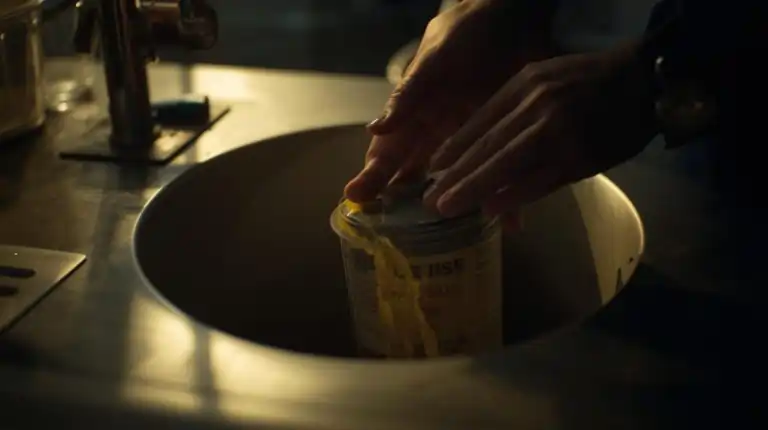
- Boiling Water Flush
Pouring boiling water down your drains regularly helps dissolve grease, soap scum, and minor blockages.
This simple method is surprisingly effective for preventing buildup in kitchen and bathroom drains. It’s a chemical-free solution that can be done weekly as part of routine maintenance.
- Manual Removal with a Plunger
Using a plunger can dislodge clogs in sinks, tubs, and toilets.
Plungers create pressure that pushes blockages through the pipe, restoring flow quickly. It’s especially effective for soft blockages like hair or food particles. - Drain Cleaning Wire / Snake
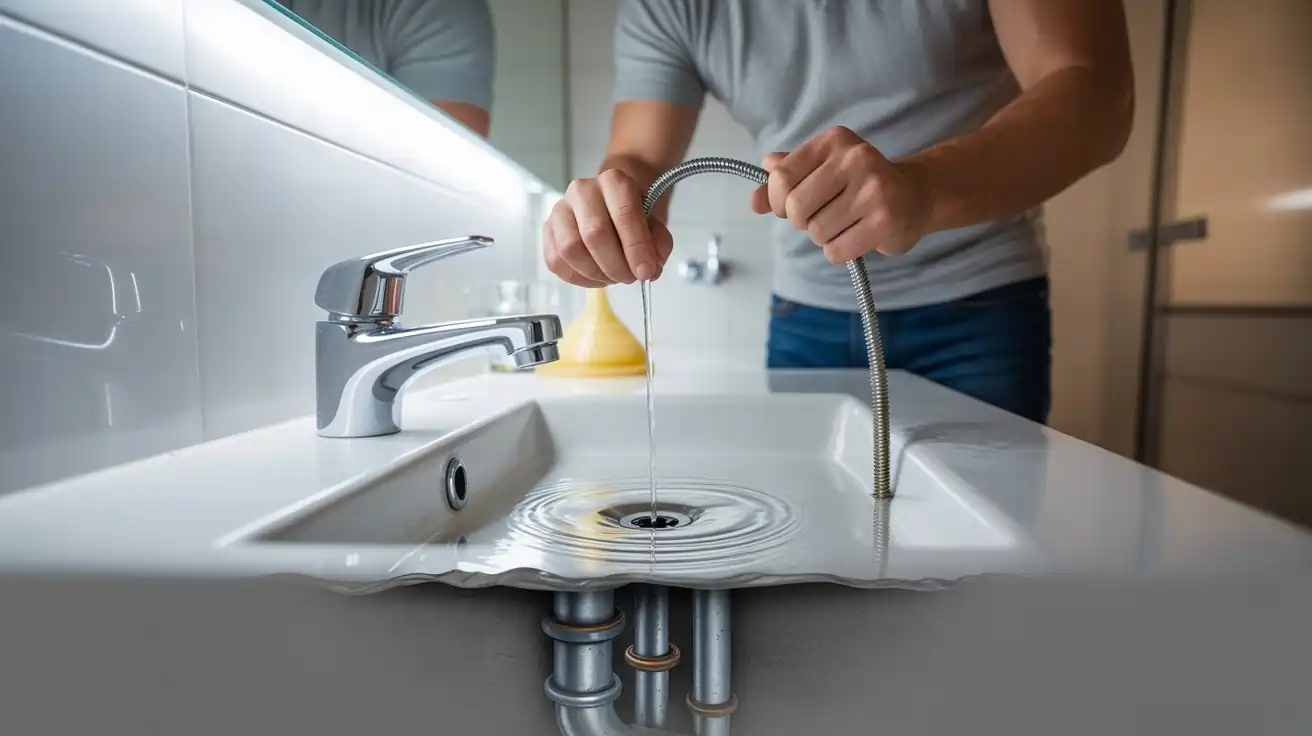
Flexible wires or drain snakes can reach clogs deep in the pipe.
A drain cleaning wire works by breaking up tough obstructions that water alone cannot clear. It’s perfect for stubborn clogs that cause slow drainage but are still reachable without professional equipment. - Regular Trap Cleaning
Remove and clean the P-trap under sinks to prevent buildup.
This preventive measure clears trapped debris before it leads to a full clog. It’s an essential step in routine drain cleaning care, especially in bathrooms and kitchens.
Natural Home Remedies for Cleaning Drains
For chemical-free and eco-friendly solutions, try these proven home remedies:
- Salt + Hot Water Method
Pour a cup of salt followed by boiling water down the drain.
Salt helps to scrub the inner walls of pipes while the hot water melts grease. This combination reduces minor blockages and keeps your pipes smooth. - Vinegar Enhancements
Combine vinegar with baking soda or salt to increase effectiveness.
The chemical reaction between vinegar and baking soda creates fizzing action that loosens grime and deodorizes drains naturally. This method is safe for all types of pipes. - Baking Soda Only (Optional)
Sprinkle baking soda, let it sit, then flush with hot water.
Baking soda neutralizes odors and can help remove minor residue inside pipes. It’s ideal for routine maintenance rather than serious clogs.
Chemical-Free Drain Cleaning Options
If you want to avoid harsh chemicals, consider these advanced, non-toxic methods:
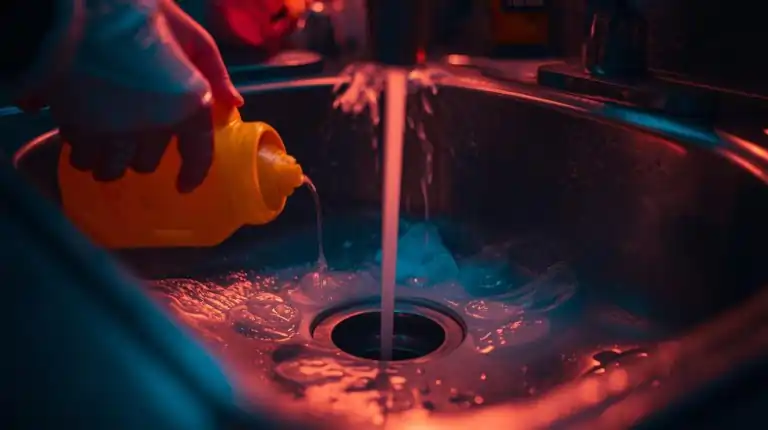
- Steam Cleaner Method
Using a home steam cleaner for drains can help dissolve grease and kill bacteria.
Steam effectively loosens stubborn debris without harming pipes. It’s a professional-grade technique that is safe for home use when done correctly. - Natural vs. Tool-Based Cleaning
Knowing when to use manual tools versus natural remedies is key.
Minor blockages respond well to natural solutions, but tougher clogs require drain cleaning tools like snakes or plungers. Combining both approaches ensures safety and efficiency.
Step-by-Step Guide to Unclogging Stubborn Drains
Sometimes drains develop clogs that simple home methods can’t handle. Stubborn blockages may require tools, mechanical methods, or professional-grade approaches. This step-by-step guide helps you tackle tough drains safely without damaging your plumbing.
Mechanical Tools That Solve Tough Clogs
Using the right tools can make unclogging much easier:
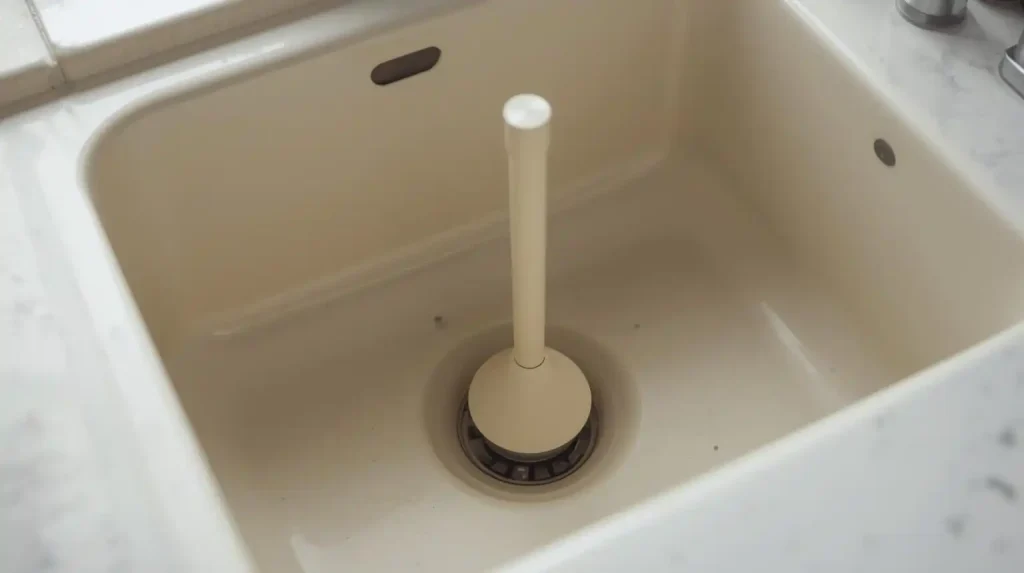
- Plunger
Create a tight seal over the drain and pump to generate pressure.
Plungers are highly effective for dislodging soft blockages like hair or food debris. They work best on sinks, tubs, and toilets with minor to moderate clogs.
- Flexible Coil / Drain Snake
Insert a flexible coil or snake into the drain to reach deep blockages.
A drain cleaning wire or snake physically breaks up stubborn clogs that plungers cannot remove. Rotating the snake helps grab debris and pull it out safely. - When These Tools Work Best
- Use plungers for immediate minor clogs.
- Use a drain snake for deeper or tougher blockages.
Knowing when to switch from a plunger to a snake prevents unnecessary frustration and protects your pipes from damage.
Professional-Grade Approaches You Can Try at Home
Even home users can safely use professional principles with care:
- Unclogging Principles
Apply steady, controlled force to avoid damaging pipes.
Using professional techniques at home helps clear drains effectively without resorting to harsh chemicals. These principles emphasize patience, proper tools, and understanding pipe construction. - Safety Tips
Wear gloves, eye protection, and avoid harsh chemical mixtures.
Safety is critical. Many home remedies seem safe but can become hazardous if combined incorrectly. Protective measures prevent injury and pipe corrosion. - What NOT to Do
Avoid excessive chemical use, metal objects, or forceful hammering.
Aggressive methods can damage your plumbing permanently. Always stick to approved tools and gentle, professional-inspired techniques.
Choosing the Right Products and Tools for Drain Cleaning
Selecting the right products and tools is essential to maintain healthy drains and prevent damage. Understanding the differences between chemical, natural, and enzymatic cleaners, along with the appropriate tools, ensures safe and effective drain cleaning at home.
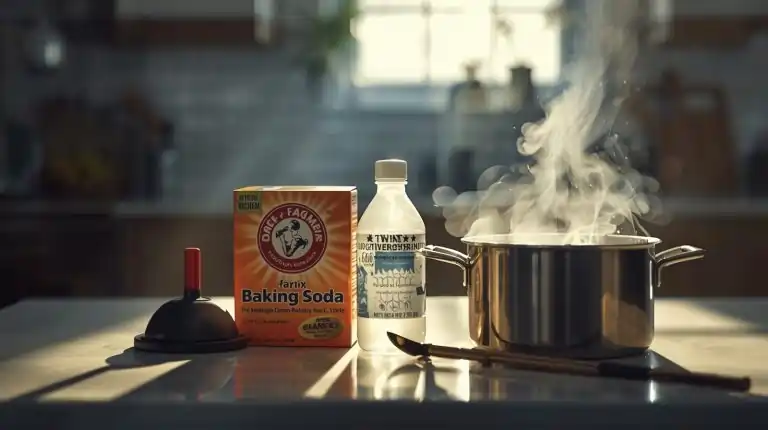
Differences Between Chemical, Enzymatic & Natural Cleaners
- Chemical Cleaners
Strongly dissolve grease, hair, and soap scum.
Chemical cleaners work quickly but can damage pipes and the environment if overused. They are best reserved for severe clogs and used according to instructions. - Enzymatic Cleaners
Use natural enzymes to break down organic matter over time.
Enzymatic solutions are slower than chemicals but safe for regular maintenance. They are ideal for drains prone to organic buildup, like kitchen sinks and laundry pipes. - Natural Cleaners
Include baking soda, vinegar, salt, and hot water methods.
These options are eco-friendly and cost-effective. Regular use prevents minor blockages and keeps drains fresh without harsh chemicals.
Recommended Tools for Home-Care
- Plungers
Effective for soft clogs in sinks, bathtubs, and toilets.
A basic plunger is a must-have tool in every home. It provides immediate relief from slow drainage or minor blockages without any chemicals. - Drain Cleaning Wire / Snake
Flexible coils reach deeper clogs.
A drain cleaning wire is perfect for stubborn debris that water and plungers cannot remove. It’s an essential tool for bathroom and kitchen drains. - Drain Cleaning Machine
Motorized tools for tougher blockages.
Drain cleaning machines are powerful solutions for severe or recurring clogs. They are particularly useful for long pipes or commercial drains but require careful handling.
When Professional-Grade Tools Are Worth It
- Severe Blockages
If the clog persists despite DIY methods, professional tools can save time and prevent damage.
Using professional-grade equipment like motorized snakes or hydro-jetting tools is often safer than attempting risky home methods. - Recurring Drain Issues
For recurring slow drains, investing in advanced tools ensures long-term drainage health.
Persistent issues often indicate deeper plumbing problems. Using high-quality tools prevents repeated clogs and protects your pipes.
When Home Remedies Don’t Work: Signs You Need a Professional
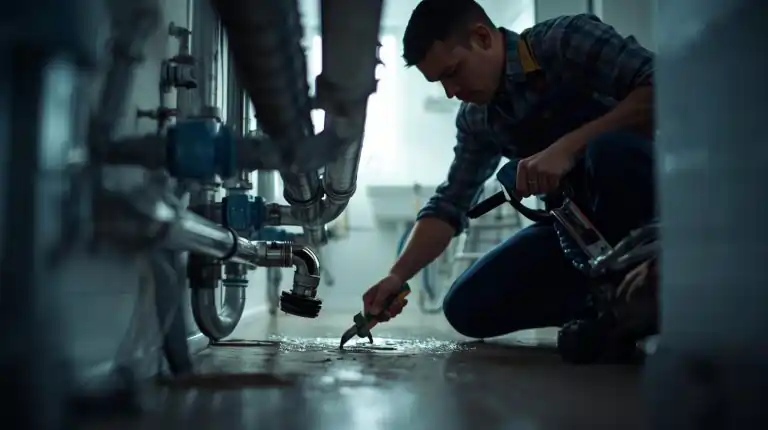
While many clogs can be cleared with home remedies or basic tools, sometimes the problem is more serious. Recognizing when to call a professional plumber prevents damage and saves money in the long run.
Signs of a Serious Drain Problem
- Recurring Blockages
If your drains clog repeatedly despite regular cleaning, it may indicate a deeper issue.
Persistent clogs can signal problems like pipe misalignment, tree root intrusion, or severe buildup that DIY methods cannot resolve. Ignoring these signs can lead to costly repairs. - Foul Smells
Strong odors coming from drains often mean trapped organic matter or bacterial growth.
Persistent smells are more than an inconvenience—they may indicate decay within the pipes. Professional inspection ensures that the source is properly identified and eliminated. - Slow or Gurgling Drainage
Water draining slowly or making unusual noises can reveal hidden blockages or venting issues.
These signs suggest that the clog is beyond the reach of basic tools or home remedies. A licensed professional can safely clear the pipe without risking damage. - Visible Damage or Leaks
Cracks, corrosion, or water leaks around drains are red flags.
Damaged pipes require immediate attention. Attempting home fixes may worsen the problem. Professional drain cleaning services can diagnose and repair issues efficiently.
How to Prevent Future Clogs With Simple Daily Habits
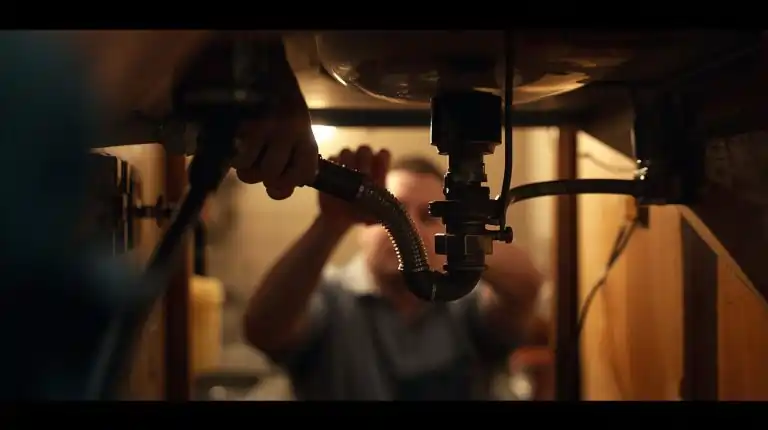
Prevention is always better than fixing a clogged drain. Small, consistent daily habits can keep your drains flowing freely, reduce the need for harsh chemicals, and prolong the life of your plumbing system.
Long-Term Drain Care Checklist
- Routine Cleaning
Regularly clean sinks, shower drains, and tubs with safe methods.
Using natural solutions or a drain cleaning tool on a weekly basis prevents hair, grease, and soap buildup. Consistent care avoids the need for emergency fixes and costly repairs. - Mindful Disposal Habits
Avoid pouring grease, coffee grounds, or non-degradable items down drains.
Proper disposal habits reduce the chance of clogs forming deep inside your pipes. Educating family members about what can and cannot go down the drain ensures long-term effectiveness. - Use of Strainers and Screens
Install strainers in sinks and showers to catch debris.
Strainers are a simple and inexpensive way to prevent hair, food scraps, and other debris from entering the drain, making routine cleaning much easier.
Maintenance Schedule: Weekly, Monthly & Seasonal Tips
- Weekly – Flush drains with hot water or a natural cleaner.
A weekly hot water flush prevents grease buildup and keeps drains running smoothly. This is the simplest preventive step you can take at home. - Monthly – Inspect and clean P-traps and visible pipes.
Monthly checks help remove minor debris before it becomes a clog. Using a drain cleaning wire occasionally ensures deep cleaning without chemical exposure. - Seasonally – Schedule professional inspections.
Seasonal checkups by licensed drain cleaning services catch potential issues like slow buildup or hidden pipe damage. Combining professional care with daily habits ensures your drains remain clog-free year-round.
Following these strategies, you can enjoy hassle-free drains, protect your plumbing, and extend the life of your pipes. Drain cleaning doesn’t have to be a chore—it can be simple, safe, and even satisfying when done correctly.